
"Swiss sociologist"
1400 article(s) found

The "death Coffee" party lost its fear of death.
In recent years, there have been death coffee parties in western countries, in which a group of people get together to drink coffee and discuss death and related issues. The Associated Press said the idea was put forward by Swiss sociologist Clertaz and has since spread to the United States, Canada, Britain, Italy, Portugal, Brazil, Australia, New Zealand and Singapore, and now there are about 300 in the world.

Death-themed Cafe in Australia
Death is not a topic that everyone wants to talk about, especially sitting at the table, having a cup of coffee, having a snack, and talking about death. Many people may feel a chill in their spine. However, this once taboo topic has become a hot topic on the coffee table. Death-themed cafes have sprung up all over the world in order to provide a security

The founder of death Cafe was defeated by illness and died at the age of 44
Professional barista exchange please follow the coffee workshop (official Wechat account cafe_style) death Caf é (Death Cafe) founder Jon Underwood died of illness on the 27th of last month at the age of 44. Jon Underwood's wife, Donna Molloy, pointed out that Underwood died of a cerebral hemorrhage caused by acute leukemia, the New York Times reported. Underwood used to

The third wave of coffee: why not make money, young people just want to open a coffee shop?
Do you have a coffee dream? Many people know that opening a cafe can't make a lot of money, but is it still what young people want most to make a lot of money? Some wonderful answers to this question began to appear in the new generation, from the previous generation working hard to make money, slowly turning into earning a good life, opening a cafe to support themselves, and mastering their own rich life in time and space. Today's cafe can never be sold again.

The third wave of coffee revolution: why not make money, young people just want to open a coffee shop?
Professional barista communication please follow the coffee workshop (Wechat official account cafe_style) do you have a coffee dream? Many people know that opening a cafe can't make a lot of money, but is it still what young people want most to make a lot of money? Some wonderful answers to this question began to appear in the new generation, from the previous generation working so hard to make money, slowly turning into earning a good life and opening a coffee shop.

The third wave of boutique coffee: why do young people just want to open a coffee shop when they are obviously not making money?
Professional barista communication please follow the coffee workshop (Wechat official account cafe_style) do you have a coffee dream? Many people know that opening a cafe can't make a lot of money, but is it still what young people want most to make a lot of money? Some wonderful answers to this question began to appear in the new generation, from the previous generation working so hard to make money, slowly turning into earning a good life and opening a cafe.

Historical Development of Coffee Culture-Historical Development of semi-automatic Coffee Machine
The Historical Development of Coffee Culture-the Historical Development of semi-automatic Coffee machines Europeans first came into contact with coffee around 1515-1519, but were not interested in it for a long time. In 1585, 30 years after the emergence of the cafe in Istanbul, the Vatican's envoy to the area, Morosinny, reported that these people were all humble, tacky and unenterprising.

The dark side of coffee that you don't know.
Seemingly humble coffee beans are actually one of the most actively traded commodities in the world. Just look at the coffee consumption statistics in the United States. According to a 2015 Gallup poll, 64% of Americans drink at least one cup of coffee a day, an average of 2.7 cups a day. The United States imports about 127000 tons of raw coffee beans every year, and the annual per capita consumption of coffee in the United States exceeds 4 kilograms. For most

[coffee culture] with the passage of time, take a trip to the spatial history of the cafe
For the exchange of professional baristas, please pay attention to the "third place" of the coffee workshop (Wechat official account cafe_style). To put it simply, it refers to the third place outside the home and workplace. Sociologist Ray Oldenburg also mentioned the concept of "third place" (Third Place), which allows us to escape from tedious daily life and relieve the pressure of life.

A death teahouse accompanied by cake and coffee
Everyone has his own pain, his own bravery. Enlighten each other and rescue each other. July 17, 2016, a sultry, cloudy day. A small comprehensive exhibition hall in Beijing Hutong gathered 16 strangers who had never met before. There were so many people that there was no room in the coffee shop. We moved benches to form a circle in the hall on the first floor. There is black tea and coffee in front of them. All afternoon.

About Swiss coffee.
The coffee in Western Europe is elegant. It is closer to people's beautiful longing for the leisurely and romantic coffee culture. In particular, Swiss coffee (Cafe Suisse or Cafe Crema), which has the reputation of "aristocratic coffee", is the favorite of the upper class.
World coffee culture Swiss coffee is impeccable
In Switzerland, the place where people meet on a date is often not a restaurant, let alone a high-end hotel, but a small cafe that is popular with locals. It can be said that no coffee is as incredible as no wine, both in Switzerland and throughout Europe, so like the famous Swiss watch, Swiss coffee is also impeccable. A cup of Swiss coffee brings you

Swiss coffee is impeccable.
In Switzerland, the place where people meet on a date is often not a restaurant, let alone a high-end hotel, but a "small cafe" that locals like.
Swiss coffee is impeccable boutique coffee
In Switzerland, people often meet not in restaurants or high-end hotels, but in small cafes that locals like. It can be said that no coffee in Switzerland, or in Europe as a whole, is as incredible as no wine, so, like Switzerland's famous Swiss watch, Swiss coffee is also impeccable. A cup of Swiss coffee brings you
Impeccable Swiss coffee
In Switzerland, the place where people meet on a date is often not a restaurant, let alone a high-end hotel, but a "small cafe" that locals like.

Swiss coffee culture Coffee culture basics
In Switzerland, people often meet not in restaurants or high-end hotels, but in small cafes that locals like. It can be said that no coffee in Switzerland, or in Europe as a whole, is as incredible as no wine, so, like Switzerland's famous Swiss watch, Swiss coffee is also impeccable. A cup of Swiss coffee brings you

Swiss Coffee Culture Fine Coffee Culture
In Switzerland, the place where people meet on a date is often not a restaurant, let alone a high-end hotel, but a small cafe that is popular with locals. It can be said that no coffee is as incredible as no wine, both in Switzerland and throughout Europe, so like the famous Swiss watch, Swiss coffee is also impeccable. A cup of Swiss coffee brings you

Swiss coffee culture impeccable coffee culture common sense
In Switzerland, people often meet not in restaurants or high-end hotels, but in small cafes that locals like. It can be said that no coffee in Switzerland, or in Europe as a whole, is as incredible as no wine, so, like Switzerland's famous Swiss watch, Swiss coffee is also impeccable. A cup of Swiss coffee brings you
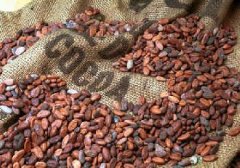
Swiss Coffee Culture Cultural knowledge of Fine Coffee beans
In Switzerland, the place where people meet on a date is often not a restaurant, let alone a high-end hotel, but a small cafe that is popular with locals. It can be said that no coffee is as incredible as no wine, both in Switzerland and throughout Europe, so like the famous Swiss watch, Swiss coffee is also impeccable. A cup of Swiss coffee brings you

Comparison between Swiss Coffee Culture and American, Turkish and Italian Coffee Culture
What is the difference between Swiss coffee culture and other countries' coffee culture? let's take a look at the comparison between Swiss coffee culture and American, Turkish and Italian coffee. Coffee is no longer a mystery to Chinese people and is accepted by more and more people. In fact, as a basic drink for human beings, coffee has a history of at least 500 years. Consumption and Popularization of Coffee and economy